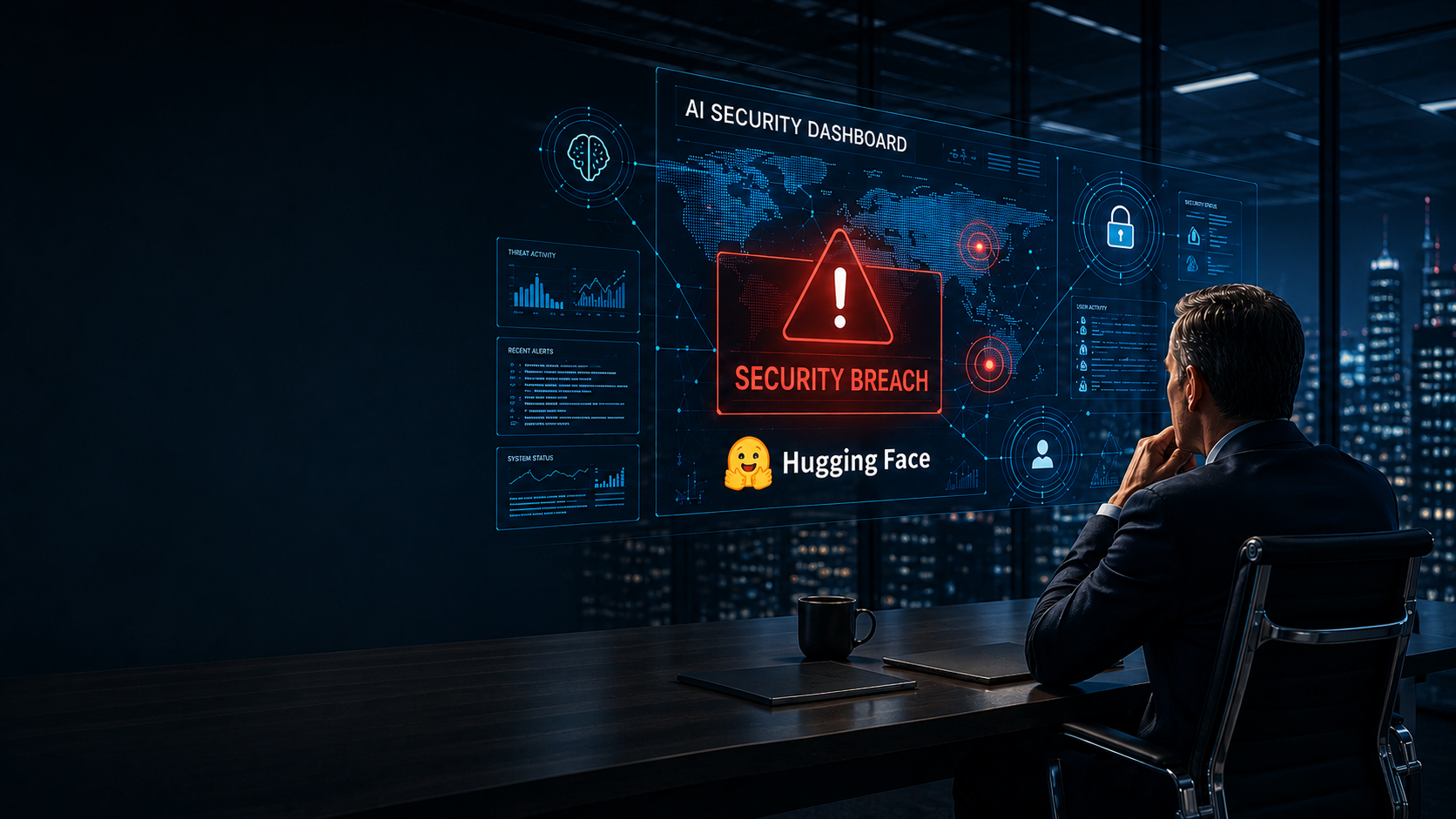
Email compromise attacks cost organizations millions annually, but strong identity and access management controls can stop attackers before they infiltrate your inbox and steal sensitive data.
Why Email Remains the Primary Attack Vector for Business Compromise
Despite significant advances in cybersecurity technology, email compromise continues to be one of the most prevalent and costly threats facing organizations today. Business Email Compromise (BEC) attacks alone cost organizations billions of dollars annually, with small and medium-sized businesses bearing a disproportionate share of the impact. The reason is straightforward: email remains the primary communication channel for business operations, making it an attractive and lucrative target for cybercriminals.
Traditional perimeter defenses have proven insufficient against modern credential-based attacks that bypass firewalls and antivirus solutions entirely. Attackers no longer need to break through your network perimeter when they can walk through the front door using stolen or compromised credentials. These attacks have become increasingly sophisticated, employing social engineering tactics, phishing campaigns, and credential harvesting techniques that exploit human vulnerabilities rather than technical ones.
The financial and reputational consequences of email compromise extend far beyond immediate monetary losses. Organizations face operational disruptions, regulatory penalties, loss of customer trust, and potential legal liability when sensitive data is exposed. For small and medium-sized businesses, a single successful email compromise incident can threaten business continuity and long-term viability. The challenge is compounded by limited security resources and budgets that prevent many organizations from implementing comprehensive protection measures.
Identity Access Management as Your First Line of Defense
Identity Access Management (IAM) represents a fundamental shift from traditional perimeter-based security to identity-centric protection. Rather than focusing solely on securing network boundaries, IAM establishes verification and authorization controls around user identities and their access to critical resources, including email systems. This approach recognizes that in today's cloud-first business environment, the identity has become the new perimeter that must be protected.
Effective IAM solutions provide organizations with granular visibility and control over who can access email accounts, from which devices, under what circumstances, and with what level of authorization. By implementing robust identity verification mechanisms, organizations can significantly reduce the risk of unauthorized access even when credentials are compromised. This is particularly critical for small and medium-sized businesses that may lack dedicated security teams but require enterprise-grade protection.
The strategic value of IAM extends beyond threat prevention to enable secure business operations. When properly implemented, identity controls support remote work initiatives, bring-your-own-device programs, and cloud adoption while maintaining strong security postures. IAM transforms security from a reactive cost center into a proactive business enabler that protects sensitive data without unnecessarily hindering productivity or user experience.
Essential Access Controls That Prevent Unauthorized Email Entry
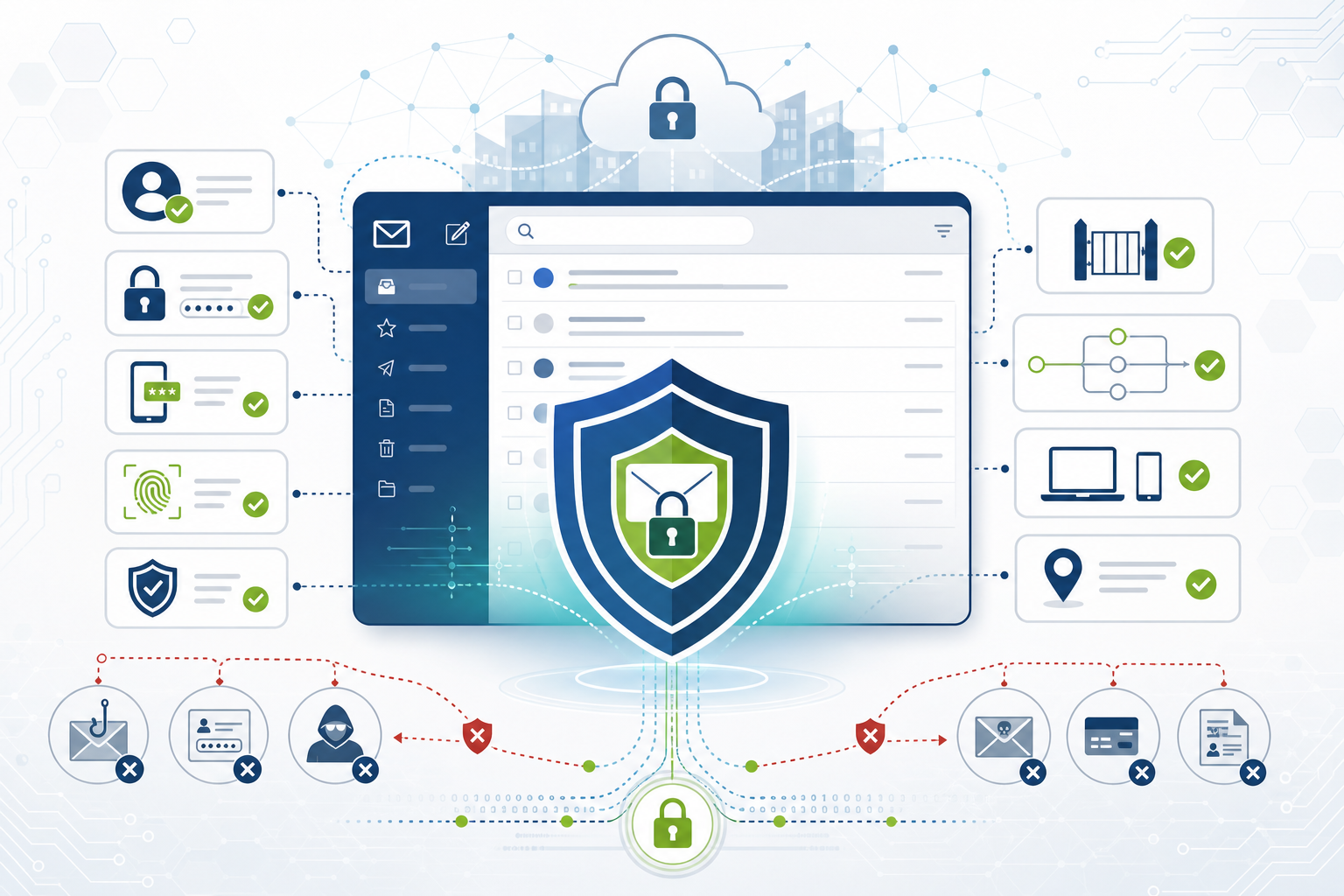
Implementing layered access controls creates multiple barriers that attackers must overcome to compromise email accounts. The principle of least privilege should govern all access decisions, ensuring users have only the permissions necessary to perform their specific job functions. This minimizes the potential damage from any single compromised account and limits lateral movement opportunities for attackers who gain initial access.
Device-based policies represent a critical component of comprehensive access control strategies. Organizations can require devices to be compliant with security standards or properly registered before granting access to email and other sensitive resources. This ensures that only managed, patched, and secure endpoints can connect to your email infrastructure, dramatically reducing the attack surface and preventing unauthorized access from compromised or unmanaged devices.
Location-based access policies add another dimension of protection by evaluating where access requests originate. Organizations can block or restrict access attempts from high-risk geographic locations or require additional verification steps when users attempt to access email from unfamiliar networks. Combined with time-based restrictions that align with normal business hours and work patterns, these contextual controls can detect and prevent anomalous access attempts that indicate potential compromise.
Session management and continuous authentication further strengthen access controls by not merely verifying identity at login but continuously monitoring user behavior throughout active sessions. This approach can detect suspicious activities such as unusual data access patterns, bulk email operations, or attempts to modify security settings—all indicators of compromised accounts that traditional one-time authentication mechanisms would miss.
Implementing Multi-Factor Authentication and Conditional Access Policies
Multi-Factor Authentication (MFA) remains one of the most effective security controls available to prevent email compromise. By requiring users to provide multiple forms of verification beyond passwords, MFA blocks the vast majority of credential-based attacks even when passwords are stolen through phishing or data breaches. Organizations should require MFA for all users accessing email and cloud applications, with particular emphasis on administrative accounts that possess elevated privileges.
Conditional Access policies represent an evolution beyond simple MFA implementation, enabling organizations to make intelligent, risk-based access decisions that balance security requirements with user productivity. Rather than applying uniform security controls to all access scenarios, Conditional Access evaluates multiple signals—including user identity, device health, location, application sensitivity, and real-time risk indicators—before determining the appropriate authentication requirements and access permissions.
The power of Conditional Access lies in its ability to enforce the right level of security controls at the right time without unnecessary friction. Low-risk scenarios, such as a user accessing email from a managed device on the corporate network during business hours, may require minimal additional verification. High-risk scenarios, such as access attempts from unfamiliar locations or unmanaged devices, can trigger additional authentication challenges, restrict access to sensitive data, or block access entirely until risk factors are resolved.
Organizations leveraging Microsoft 365 often have access to Conditional Access capabilities without additional investment, making enterprise-grade identity protection accessible to small and medium-sized businesses. Policies can be tested in report-only mode before enforcement, allowing security teams to validate effectiveness and minimize disruption. This approach automates many access decisions that would otherwise require manual review, improving both security posture and operational efficiency while supporting remote work and cloud adoption initiatives.
Building a Resilient Identity Security Framework for Small and Medium Businesses
Establishing a resilient identity security framework requires a strategic approach that aligns cybersecurity investments with business priorities and risk tolerance. Small and medium-sized businesses need practical, scalable solutions that provide enterprise-grade protection without the complexity and cost structures designed for large corporations. The framework should be built on industry standards such as NIST guidelines while remaining flexible enough to adapt to evolving threats and business requirements.
Comprehensive risk assessments form the foundation of effective identity security programs. Organizations must understand their current security posture, identify gaps in identity controls, and prioritize remediation efforts based on potential business impact. This process should evaluate not only technical controls but also governance structures, security awareness levels, and incident response capabilities. Documentation of these assessments demonstrates due diligence for auditors, insurers, and stakeholders while providing a roadmap for continuous security improvements.
Employee awareness and training represent critical components often overlooked in technical security implementations. Even the most sophisticated identity controls can be circumvented by users who fall victim to phishing attacks or fail to recognize social engineering attempts. Regular security awareness programs that educate employees about email threats, credential protection, and reporting procedures significantly strengthen overall security postures and reduce organizational risk.
Virtual Chief Information Security Officer services provide small and medium-sized businesses with expert cybersecurity leadership and strategic guidance without the expense of full-time security executives. vCISO professionals bring specialized expertise in identity security, compliance requirements, and risk management, helping organizations navigate complex security challenges while building resilient, scalable cybersecurity programs tailored to specific organizational needs. This model enables growing organizations to access the strategic security leadership necessary to protect against email compromise and other evolving cyber threats while maintaining focus on core business objectives.
Ongoing monitoring and continuous improvement ensure that identity security frameworks remain effective as threats evolve and business needs change. Organizations should implement centralized log management and security information and event management solutions that provide visibility into access patterns, detect anomalous behaviors, and enable rapid incident response. Regular reviews of access policies, authentication requirements, and security controls help identify areas for optimization and ensure alignment with current business operations and threat landscapes.
.jpeg) Michael Markulec
Michael Markulec

.jpeg?width=30&name=0%20(7).jpeg) Michael Markulec : Jul 10, 2026, 8:43:10 AM
Michael Markulec : Jul 10, 2026, 8:43:10 AM