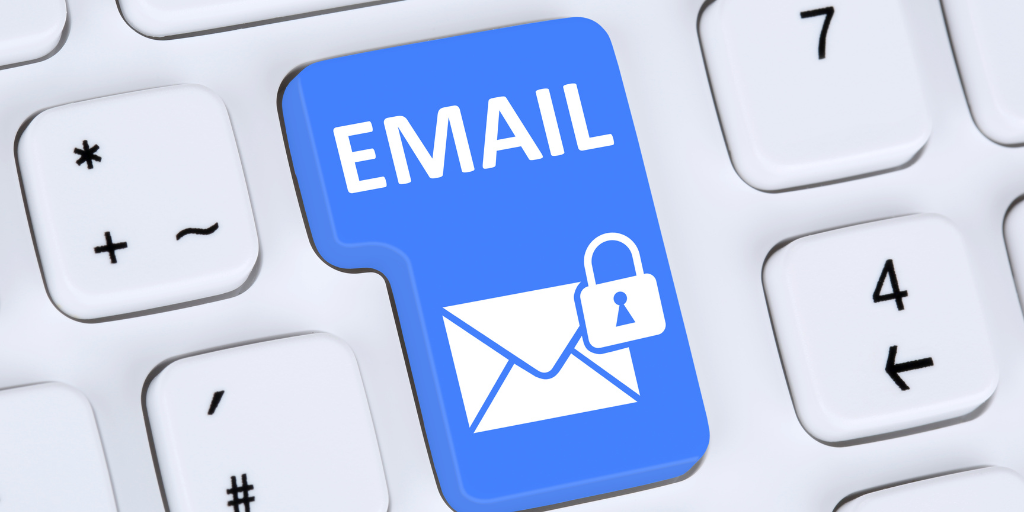
Mobile devices now account for over 60% of corporate email access. Yet, they remain one of the weakest links in enterprise security—exposing organizations to phishing attacks, data breaches, and unauthorized access that can cripple operations overnight.
Understanding the Growing Mobile Email Threat Landscape
The shift to mobile-first business operations has fundamentally transformed how executives and employees access corporate email, but this convenience comes with significant security implications. Mobile devices now serve as the primary access point for over 60% of corporate email traffic, expanding the attack surface that threat actors actively exploit. For small and medium-sized enterprises, this represents a critical vulnerability that can compromise sensitive business communications, customer data, and intellectual property.
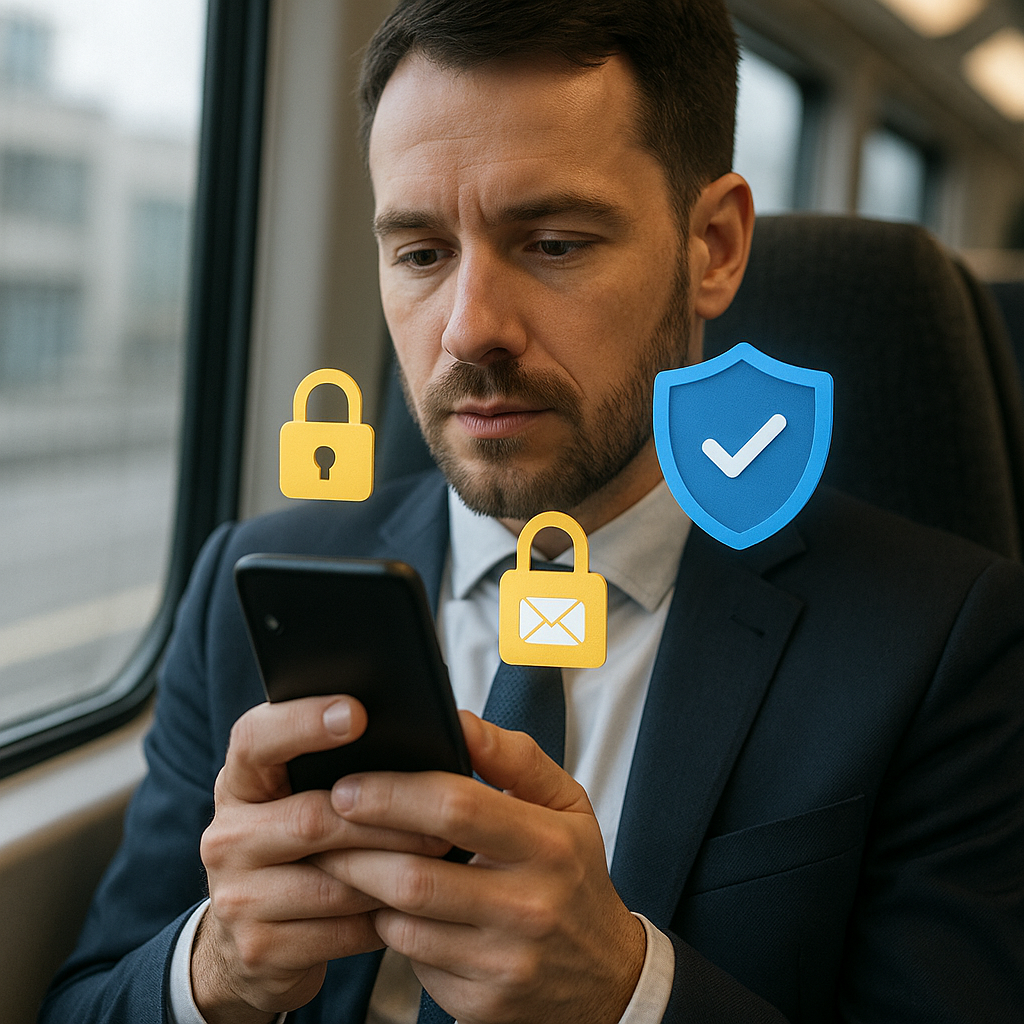
Research consistently demonstrates that phishing attacks are six to ten times more effective on mobile devices than on desktops. This dramatic increase in susceptibility stems from several factors inherent to mobile platforms: smaller screen sizes make it harder to inspect URLs and sender details, mobile browsers often truncate security indicators, and users tend to be more distracted when checking email on the go. Executives accessing email during commutes, at conferences, or between meetings are particularly vulnerable to these sophisticated social engineering attacks.
Device loss and theft compound these risks exponentially. When an unlocked or inadequately secured mobile device falls into the wrong hands, attackers gain immediate access to email accounts, attachments, contacts, and potentially integrated business applications. For organizations without robust mobile device management protocols, a single lost smartphone can trigger a data breach affecting customer records, financial information, and confidential business strategies. Additionally, public Wi-Fi networks—commonly used by traveling executives at airports, hotels, and coffee shops—create opportunities for man-in-the-middle attacks in which adversaries intercept email communications in real time.
The threat landscape continues to evolve as cybercriminals develop mobile-specific attack vectors, including malicious mobile applications, SMS-based phishing (smishing), and exploits targeting vulnerabilities in mobile operating systems. Zero-day exploits targeting iOS and Android can compromise email security before patches are available. At the same time, the proliferation of bring-your-own-device (BYOD) policies adds complexity to maintaining consistent security controls across diverse mobile ecosystems.
Essential Mobile Device Management Strategies for Email Security
Implementing a comprehensive Mobile Device Management (MDM) solution represents the foundational step in securing email access across your organization's mobile fleet. MDM platforms help IT admins centralize device configurations, enforce security policies, and monitor potential threats—key steps for turning security from a reactive cost center into a proactive business enabler. For small and medium-sized businesses with limited security resources, modern MDM solutions offer cost-effective approaches to enterprise-grade mobile security.
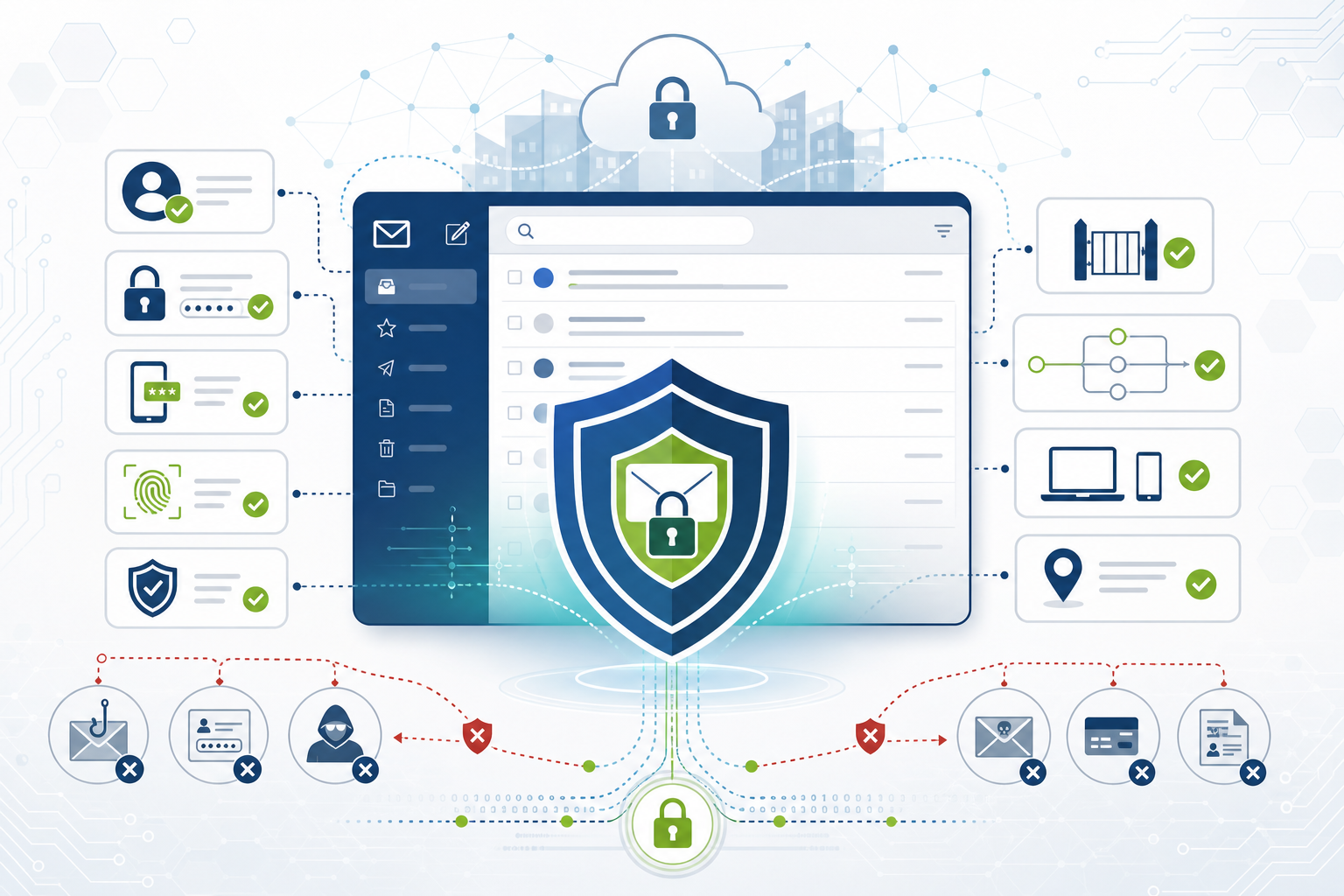
Core MDM capabilities should include enforcing device encryption, requiring strong passcodes or biometric authentication, and remotely wiping corporate data from lost or stolen devices. Containerization technology allows organizations to separate corporate email and data from personal applications on the same device, addressing BYOD security concerns while respecting employee privacy. This approach enables selective wiping of only corporate information without affecting personal photos, messages, or applications—a balance that's essential for maintaining employee trust while protecting organizational assets.
Effective MDM strategies also incorporate application management controls that restrict which email clients can access corporate accounts. By mandating approved email applications with known security features and blocking risky third-party clients, organizations significantly reduce their exposure to malicious applications and insecure email handling. Geofencing capabilities can automatically adjust security postures based on device location, implementing stricter controls when devices connect from high-risk geographic regions or unusual locations that may indicate device compromise.
For organizations pursuing CMMC compliance or other regulatory frameworks, MDM solutions provide essential audit trails documenting device security configurations, policy enforcement, and access patterns. These capabilities prove invaluable during third-party assessments and demonstrate due diligence in protecting controlled unclassified information (CUI) and other sensitive data accessed via mobile email. Regular compliance reporting through MDM platforms helps small defense contractors maintain contract readiness while avoiding the significant costs associated with non-compliance findings.
Implementing Multi-Factor Authentication and Encryption on Mobile Platforms
Multi-factor authentication (MFA) serves as one of the most effective countermeasures against unauthorized mobile email access, preventing account compromise even when credentials are exposed through phishing attacks or data breaches. Modern MFA implementations for mobile devices leverage biometric authentication (fingerprint and facial recognition), push notifications to registered devices, and time-based one-time passwords (TOTP) to verify user identity beyond traditional usernames and passwords. For small businesses seeking practical, cost-conscious security solutions, MFA delivers exceptional return on investment by blocking the vast majority of credential-based attacks.
Implementing MFA across mobile email access points requires careful consideration of user experience to ensure adoption while maintaining security effectiveness. Adaptive or risk-based authentication frameworks can adjust MFA requirements based on contextual factors such as device health, network security, geographic location, and behavioral patterns. This intelligent approach reduces authentication friction for low-risk scenarios—such as accessing email from a registered corporate device on the office network—while imposing stricter verification requirements when detecting anomalies that may indicate account compromise or unauthorized access attempts.
End-to-end encryption for email communications adds a critical layer of protection, ensuring that message content remains confidential even if intercepted during transmission over insecure networks. Organizations should prioritize email platforms and mobile clients that support Transport Layer Security (TLS) for in-transit encryption and S/MIME or PGP for message-level encryption. For executives handling sensitive business communications, contract negotiations, or confidential customer information, message-level encryption keeps email content protected from composition through archiving.
Device-level encryption, mandatory on modern iOS devices and configurable on Android platforms, ensures that email data stored locally on mobile devices remains inaccessible without proper authentication. This protection proves essential when devices are lost, stolen, or subjected to forensic examination by adversaries. Organizations should enforce full-disk encryption policies through MDM platforms and regularly audit compliance to verify that all devices accessing corporate email maintain appropriate encryption standards. When combined with secure containerization for corporate applications, these encryption strategies provide defense-in-depth protection against data exposure on compromised mobile devices.
Employee Training and Security Awareness for Mobile Email Usage
Technical controls alone cannot fully mitigate mobile email security risks without a complementary investment in employee education and security awareness training. Human factors remain the primary vulnerability in mobile security, as even sophisticated technical safeguards can be undermined by employees who unknowingly click malicious links, download compromised attachments, or fail to report suspicious activity. A comprehensive security awareness program specifically addressing mobile email threats empowers employees to serve as an active defense layer rather than the weakest link in your security posture.
Effective mobile security training programs should address the specific characteristics that make mobile phishing so successful: the difficulty of verifying sender authenticity on small screens, the tendency to trust mobile notifications, and the distracted contexts in which users access mobile email. Practical exercises, including simulated phishing campaigns delivered via mobile channels, help employees develop pattern-recognition skills to identify suspicious messages, fraudulent URLs, and social engineering tactics. Regular phishing simulations with immediate feedback loops—delivered when employees click simulated malicious links—create memorable learning experiences that improve long-term security behaviors.
Security awareness content must extend beyond phishing recognition to encompass safe mobile email practices, including the risks of using public Wi-Fi, the importance of installing operating system and application updates promptly, and proper protocols for reporting lost or stolen devices. Role-based training ensures that executives and employees with access to sensitive information receive the appropriate depth of instruction on their elevated risk profile and the potential business impact of mobile email compromise. For small businesses and nonprofits with limited training budgets, microlearning approaches that deliver brief, focused security tips through multiple touchpoints prove more effective than infrequent, lengthy training sessions.
Continuous reinforcement through multiple channels—email reminders, poster campaigns, lunch-and-learn sessions, and integration into onboarding processes—helps embed security-conscious behaviors into organizational culture. Metrics tracking, including phishing simulation click rates, reporting rates for suspicious emails, and time-to-report for security incidents, provides quantifiable measures of program effectiveness and identifies areas requiring additional focus. Organizations that successfully build security awareness cultures transform employees from potential vulnerabilities into active participants in threat detection and incident response, significantly enhancing overall cybersecurity resilience.
Continuous Monitoring and Incident Response for Mobile Email Threats
Establishing continuous monitoring capabilities for mobile email access represents a critical component of mature cybersecurity programs, enabling early detection of anomalous behaviors that may indicate account compromise, insider threats, or active attacks. Security Information and Event Management (SIEM) platforms integrated with email systems and MDM solutions provide centralized visibility into authentication attempts, access patterns, data transfers, and policy violations across your mobile device fleet. For small and medium-sized organizations lacking dedicated security operations centers, managed security services offer cost-effective access to continuous monitoring, detection, and response capabilities typically available only to large enterprises.
Key indicators of mobile email compromise include unusual login locations or times, multiple failed authentication attempts, simultaneous sessions from geographically distant locations, and abnormal email forwarding or deletion patterns. Advanced threat detection leverages machine learning algorithms to establish baseline behaviors for individual users and alert on statistical anomalies that may escape rule-based detection systems. Integration among email security platforms, MDM solutions, and identity management systems enables the correlation of events across multiple data sources, improving detection accuracy while reducing false-positive alerts that lead to security fatigue.
When mobile email incidents are detected, a well-defined incident response plan that specifically addresses mobile scenarios ensures rapid containment and recovery. Response procedures should include immediate capabilities to remotely lock or wipe compromised devices, revoke authentication tokens and sessions, reset credentials, and isolate affected accounts from sensitive systems. Tabletop exercises that simulate mobile-specific incidents—such as executive device theft during international travel or suspected account compromise via mobile phishing—help response teams develop muscle memory for critical procedures and identify gaps in response capabilities before actual incidents occur.
Post-incident analysis and continuous improvement processes transform security events into opportunities for strengthening defensive postures. Comprehensive incident documentation, root cause analysis, and lessons learned reviews inform updates to technical controls, policy adjustments, and targeted security awareness training addressing observed weaknesses. Regular threat intelligence briefings on active mobile exploit campaigns, emerging malware threats, and evolving adversary tactics help keep monitoring capabilities and detection rules up to date in the dynamic threat landscape. Organizations that use continuous monitoring and structured incident response recover faster and reduce disruption when mobile email security incidents happen.
.jpeg) Michael Markulec
Michael Markulec
.jpeg?width=30&name=0%20(7).jpeg) Michael Markulec : Jul 22, 2026, 2:33:38 PM
Michael Markulec : Jul 22, 2026, 2:33:38 PM