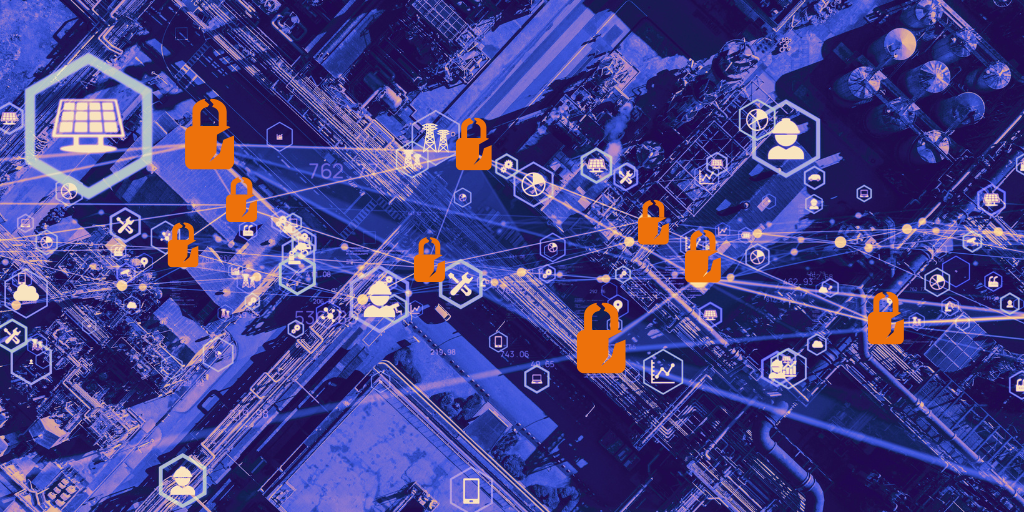
Ransomware threats are rapidly evolving, now employing sophisticated tactics to infiltrate supply chains and disrupt entire business ecosystems, necessitating a new level of cybersecurity vigilance.
The Rising Tide of Ransomware: From Simple Attacks to Complex Ecosystem Threats
Ransomware has evolved far beyond its origins as a blunt tool for extorting quick payments from individual victims. In the early days, attackers relied primarily on widespread phishing campaigns and opportunistic exploits, targeting end-users and small businesses with limited security resources. These early strains were often simplistic, relying on basic encryption routines, easily spoofed emails, and unsophisticated command-and-control infrastructure. While these attacks caused significant disruption, their impact was largely limited to isolated organizations and typically involved locking individual devices or small networks until a modest ransom was paid.
Today, ransomware has matured into a complex, highly commercialized ecosystem driven by organized cybercriminal groups that operate much like legitimate software companies. These groups employ advanced techniques, professional-grade malware, and modular toolkits tailored to specific industries, technologies, or environments. Sophisticated affiliate programs and “Ransomware-as-a-Service” (RaaS) models have lowered the barrier to entry for less technical criminals, enabling them to launch high-impact campaigns using turnkey platforms, support services, and even revenue-sharing agreements with core operators.
The result is a dramatic escalation in both the frequency and sophistication of attacks. Modern ransomware operations resemble full-scale business ventures, with dedicated roles for initial access brokers, negotiators, infrastructure operators, and developers. Campaigns are often carefully planned, with extensive reconnaissance to identify critical systems, backups, and high-value data assets before any payload is deployed. This shift has driven a strategic focus on larger enterprises, critical infrastructure providers, and supply chain partners whose disruption can trigger cascading effects across entire industries. As a consequence, ransomware is no longer just an IT incident—it is a systemic business risk that can impact operations, compliance posture, customer trust, and long-term growth.
Supply Chain Vulnerabilities: Why Modern Ransomware Targets the Weakest Links
Modern ransomware campaigns increasingly exploit supply chain vulnerabilities. Rather than attacking a single organization directly, threat actors compromise suppliers, managed service providers (MSPs), or software vendors to gain indirect access to downstream clients' networks. This approach allows attackers to maximize operational disruption and potential ransom payouts with a single breach.
In many cases, the initial compromise occurs through legitimate remote management tools, software update mechanisms, or trusted VPN connections that link third parties to their customers’ environments. Once inside a supplier or MSP, attackers can silently pivot into multiple client networks, deploy ransomware at scale, and simultaneously disrupt dozens—if not hundreds—of organizations. This “one-to-many” attack model is beautiful to ransomware groups because it amplifies their leverage during negotiations and increases the likelihood that at least some victims will feel compelled to pay quickly to restore operations.
The interconnectedness of today’s business ecosystems amplifies these risks. A vulnerability in a third-party vendor, insecure application integration, or a misconfigured cloud service can quickly propagate ransomware across multiple organizations, highlighting the critical need for robust third-party risk management and vigilant supply chain security practices. Adequate controls now extend well beyond the organization's perimeter: security questionnaires, contractual security requirements, continuous monitoring of vendor risk, and independent security assessments are becoming baseline expectations for any organization that relies on external partners.
For small and midsize businesses that rely heavily on cloud platforms and MSPs to manage core IT functions, these dynamics mean that vetting provider security practices, enforcing least-privilege access, and validating incident response capabilities are no longer optional. Organizations that treat supply chain security as a strategic priority—integrating vendor oversight into their broader risk management program—are far better positioned to contain ransomware threats before they cascade across their extended business ecosystem.
The Expanding Impact: Operational, Financial, and Reputational Fallout
The consequences of a ransomware attack extend far beyond initial ransom demands. Operational downtime can cripple critical business functions, disrupt customer service, and lead to missed contractual obligations. In some cases, organizations are forced to suspend entire product lines, halt manufacturing runs, or take core applications offline while systems are restored and validated. Internal teams are diverted from strategic initiatives to emergency recovery efforts, slowing innovation and delaying key projects.
Financial losses mount rapidly due to ransom payments, recovery expenses, and lost revenue. Direct costs often include incident response consulting, forensic investigations, system rebuilds, and accelerated investments in new security controls. Indirect costs—such as overtime for IT and operations staff, penalties for missed SLAs, and higher cyber insurance premiums—can compound the impact over months or even years.
Perhaps most damaging is the reputational fallout. Customers, partners, and regulators are quick to scrutinize organizations that fall victim to ransomware, especially when supply chain partners are affected. Questions about data integrity, confidentiality, and operational resilience can erode hard-won trust and prompt key accounts to reassess their vendor relationships. In regulated industries, mandatory breach notifications and public disclosures can further amplify negative attention.
Regulatory fines, compliance violations, and long-term reputational damage can outlast the immediate operational crisis, underscoring the need for comprehensive ransomware preparedness. Organizations that lack documented incident response plans, tested backups, and clear communication protocols often struggle the most in the aftermath. By contrast, companies that proactively align their security programs with frameworks such as NIST CSF, CIS Controls, or sector-specific requirements like CMMC are better positioned to demonstrate due diligence, limit downstream impact, and recover with less disruption to their customers and partners.
Proactive Defense Strategies: Protecting Your Business and Supply Chain Partners
Defending against modern ransomware requires a proactive, multi-layered approach that aligns security investments with business priorities. Organizations must implement continuous monitoring across on-premises and cloud environments, robust endpoint detection and response (EDR) with behavioral analytics, and regular vulnerability assessments to identify and mitigate threats before they escalate into full-scale incidents. Hardening identity and access management—through least-privilege access, strong password policies, and multifactor authentication—further reduces attackers’ ability to move laterally once they gain an initial foothold. Equally important, backups should be segmented, encrypted, and regularly tested to ensure that critical data and systems can be restored quickly without capitulating to ransom demands.
Employee training and phishing simulations remain critical to reducing social engineering risks, particularly as attackers refine their lures to mimic legitimate business communications, vendor updates, and cloud service notifications. Regular awareness campaigns, role-based training for high-risk users, and realistic phishing exercises help build a culture of security, enabling employees to recognize and report suspicious activity before it results in credential theft or malware execution.
Supply chain security is equally vital. Conducting thorough third-party risk assessments, requiring vendors to adhere to stringent cybersecurity standards, and maintaining clear incident response protocols help contain breaches before they spread across interconnected environments. This includes formalizing security requirements in contracts, verifying that MSPs and SaaS providers enforce robust access controls, and ensuring that they have documented incident response and business continuity capabilities that align with your own. Continuous monitoring of third-party risk—through security ratings, attestations, and periodic assessments—helps organizations quickly identify when a supplier’s posture degrades and take corrective action.
For many small and midsize organizations, achieving this level of maturity requires augmenting internal capabilities. Leveraging managed security services for 24/7 monitoring and response, engaging vCISO leadership to align security strategy with business objectives, and incorporating actionable threat intelligence into day-to-day operations empowers organizations to stay ahead of evolving ransomware tactics. These partnerships help translate raw threat data into prioritized actions, streamline compliance efforts, and ensure that controls are right-sized for budget and risk tolerance. When executed effectively, this approach not only reduces the likelihood and impact of ransomware incidents but also transforms cybersecurity from a perceived cost center into a business enabler that supports resilience, customer trust, and sustainable growth.
.jpeg) Michael Markulec
Michael Markulec

.jpeg?width=30&name=0%20(7).jpeg) Michael Markulec : Sep 22, 2023, 4:25:00 PM
Michael Markulec : Sep 22, 2023, 4:25:00 PM