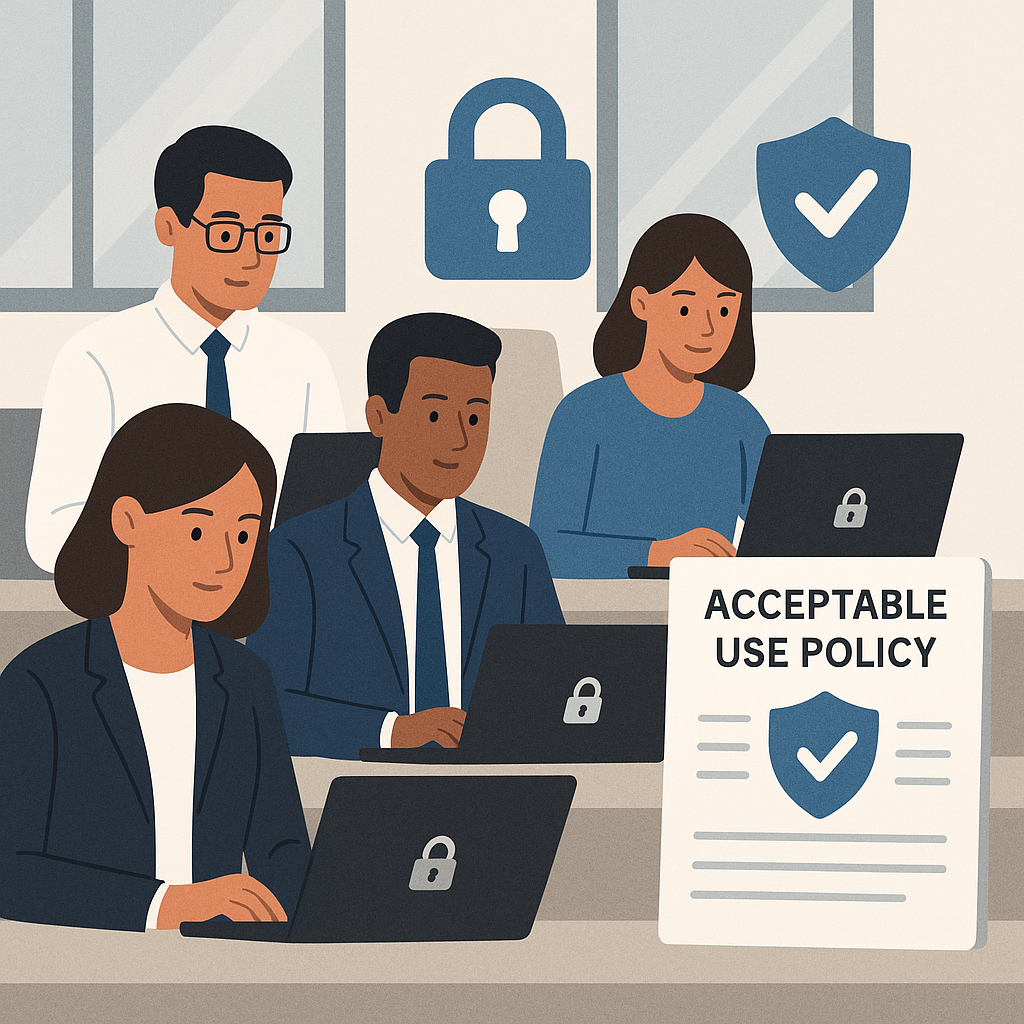
In a world where cyber threats constantly evolve, safeguarding your digital data is essential to protect your personal and professional well-being.
Understanding the Fundamentals of Data Privacy
Data privacy refers to the right and ability of individuals and organizations to control how their personal and sensitive information is collected, used, shared, and stored. In the digital era, every online interaction—whether browsing, shopping, or communicating—generates data that can reveal extensive details about a person or company. This information can include obvious identifiers such as numbers and payment details, as well as less visible data points like IP addresses, device identifiers, behavioral patterns, and location history.
From a business perspective, data privacy extends beyond individual consumer information to encompass trade secrets, financial records, intellectual property, employee data, and confidential client and partner communications. When this information is mishandled or exposed, it can erode trust, damage brand reputation, and create opportunities for fraud, account takeover, or targeted cyberattacks. For individuals, poor privacy controls can lead to identity theft, stalking, financial loss, or unwanted surveillance.
This fundamental right is increasingly important due to the exponential growth of data generated daily, much of which can be aggregated and analyzed for commercial, political, or malicious purposes. Modern analytics and artificial intelligence can correlate seemingly harmless data points to build detailed profiles of behaviors, preferences, relationships, and even future intentions. As a result, information that may not appear sensitive in isolation—such as login timestamps, website click paths, or social media interactions—can become highly revealing when combined with other datasets.
Recognizing which data is sensitive and understanding the implications of its exposure are foundational steps in protecting both personal and business interests. Sensitive data often includes personally identifiable information (PII), protected health information (PHI), payment card data, credentials, and any information that could be used to impersonate, extort, or otherwise harm an individual or organization. For businesses, this means classifying data by criticality, implementing appropriate access controls, and limiting collection to what is truly necessary for operations.
Equally important is adopting a “privacy by design” mindset—integrating privacy considerations into processes, applications, and technologies from the outset rather than treating them as afterthoughts. This includes being transparent about what data is collected and why, honoring user consent and preferences, and ensuring that third-party vendors and cloud providers adhere to the same standards. By treating data privacy as an ongoing responsibility rather than a one-time exercise, organizations can better align their security practices with regulatory expectations and customer trust.
The Business Impact of Poor Data Privacy Practices
Poor data privacy practices can have severe consequences for organizations of any size, including small and medium-sized enterprises. Data breaches can lead to direct financial losses, regulatory fines, loss of intellectual property, and long-term reputational damage. In many cases, the true cost extends far beyond the initial incident, encompassing customer churn, delayed sales cycles, and increased scrutiny from partners, insurers, and regulators. Clients and partners are increasingly prioritizing security and privacy when choosing vendors—meaning a lax approach can risk business relationships, contract renewals, and future revenue opportunities.
These impacts are especially pronounced for resource-constrained organizations that may lack the cash reserves or internal expertise to absorb a major incident. A single breach can disrupt operations for weeks, divert leadership attention from growth initiatives, and expose gaps in third-party relationships, cloud configurations, or shadow IT. Cyber insurance premiums may rise, coverage may be limited after an incident, and organizations may be required to implement additional controls to retain existing policies.
Beyond compliance penalties, businesses may also face increased operational costs due to incident response, recovery, and potential legal actions. This often includes forensic investigations, breach notifications, credit monitoring for affected individuals, PR and communications support, and technology remediation to close exploited vulnerabilities. For organizations subject to frameworks like GDPR, CCPA, HIPAA, or CMMC, a privacy incident can also trigger mandatory audits, corrective action plans, and heightened oversight.
Proactively managing data privacy not only safeguards against these risks but can also serve as a differentiator, demonstrating commitment to client trust and security excellence. By implementing clear data classification, least-privilege access, encryption, and robust vendor due diligence, organizations can show stakeholders that privacy is built into their operations rather than bolted on after the fact. For small and midsize enterprises, partnering with a virtual CISO or managed security provider can provide the strategic guidance and continuous monitoring needed to align privacy practices with business goals. When privacy and security are treated as core business enablers, organizations are better positioned to win competitive bids, meet customer due diligence requirements, and maintain resilient, long-term growth.
Navigating Regulatory Requirements and Compliance Standards
A complex landscape of regulations governs data privacy across industries and geographies. Standards such as the General Data Protection Regulation (GDPR), the California Consumer Privacy Act (CCPA), and sector-specific requirements such as HIPAA and CMMC impose strict guidelines on how personal and sensitive data must be handled. These frameworks define what constitutes personal data, outline lawful bases for processing, mandate clear consent and notification practices, and require organizations to implement appropriate technical and organizational controls. They also introduce obligations around data subject rights—such as access, deletion, and portability—as well as breach notification timelines, data retention limits, and accountability documentation.
For small and midsize organizations, compliance with these standards is both a legal obligation and a business imperative. Non-compliance can result in substantial fines, regulatory investigations, contractual penalties, and loss of business opportunities—particularly when working with larger enterprises, regulated entities, or the defense industrial base. Demonstrating compliance is increasingly a prerequisite for closing deals, passing security questionnaires, and maintaining trusted relationships with customers and partners.
Achieving and maintaining this level of compliance requires more than a set of policies on paper; it demands a structured program that includes risk assessments, data mapping, policy development, vendor management, monitoring, and regular testing. Partnering with experts who understand the nuances of these frameworks—such as Harbor Technology Group—can streamline compliance efforts, reduce risk, and ensure ongoing alignment with evolving legal requirements. By leveraging services like virtual CISO leadership, CMMC and regulatory readiness assessments, and managed security services, organizations can translate complex regulations into practical controls, embed privacy and security into daily operations, and document their due diligence for auditors, insurers, and key stakeholders.
Proactive Strategies for Enhancing Your Digital Privacy
Adopting a proactive approach to data privacy is essential for individuals, employees, and businesses alike. Rather than waiting for an incident to expose gaps, organizations should treat privacy as a continuous improvement initiative that is regularly reviewed, tested, and refined.
Start by conducting regular data audits to map what personal and sensitive information is collected, where it is stored, and who has access to it. This inventory should cover endpoints, cloud applications, SaaS platforms, third-party vendors, and backup systems. Classify data by sensitivity and regulatory impact, then align access controls and retention policies accordingly. Whenever possible, minimize data collection, remove redundant or obsolete records, and apply data masking or anonymization to reduce exposure.
Implement technical safeguards such as encryption, multi-factor authentication, and secure backup solutions to protect against unauthorized access and data loss. Full-disk and database encryption, strong identity and access management, and role-based access controls should be standard. Enable logging and monitoring to detect suspicious behavior, and ensure backups are immutable, regularly tested, and isolated from production to support rapid recovery from ransomware or accidental deletion. For cloud services, confirm that configurations adhere to security best practices and that vendor responsibilities are clearly defined.
Education is equally critical: train employees and family members to recognize phishing attempts, use strong, unique passwords, and understand privacy settings on digital platforms. Regular awareness campaigns, simulated phishing exercises, and clear guidance on acceptable use can significantly reduce human error. Encourage the use of password managers, enforce MFA wherever possible, and provide simple checklists for securing home networks and personal devices used for work.
For businesses, consider engaging managed security services or a virtual Chief Information Security Officer (vCISO) to provide strategic oversight, continuous monitoring, and tailored privacy policies. These partners can help align privacy practices with frameworks such as GDPR, CCPA, HIPAA, and CMMC; conduct risk and gap assessments; develop incident response and data breach playbooks; and ensure third-party vendors meet your security and privacy requirements. Ongoing threat intelligence, log monitoring, and security operations support can further enhance your ability to detect, respond to, and contain privacy incidents before they become business crises.
By embedding privacy into your digital culture—through policy, technology, and everyday behavior—you not only reduce risk but also build lasting trust with customers, employees, and stakeholders. Organizations that demonstrate transparent data handling, clear communication during incidents, and a visible commitment to safeguarding information are better positioned to win new business, meet due diligence requirements, and leverage cybersecurity as a true business enabler rather than a reactive cost center.
.jpeg) Michael Markulec
Michael Markulec
.png)
.jpeg?width=30&name=0%20(7).jpeg) Michael Markulec : Dec 5, 2023, 9:42:51 AM
Michael Markulec : Dec 5, 2023, 9:42:51 AM