Small businesses lose millions annually to tax-related cyber fraud—discover the critical security strategies that can protect your organization from sophisticated tax scams and financial data breaches.
Understanding the Rising Threat of Tax-Related Cybercrime
Small businesses face an escalating cyber threat landscape during tax season, with nearly two-thirds of small companies falling victim to cybercriminals last year. These attacks aren't random—they're strategic, targeting organizations with weaker security infrastructure compared to large corporations. Tax-related cybercrime has evolved into a sophisticated industry, with threat actors leveraging social engineering, AI-powered phishing campaigns, and advanced persistent threats specifically designed to steal sensitive W-2 information and financial data for fraudulent tax filings.
The financial impact extends far beyond immediate monetary losses. When cybercriminals successfully execute tax fraud schemes, businesses face cascading consequences, including legal liability, regulatory scrutiny, remediation costs, reputational damage, and operational disruption. According to the Small Business Administration, many businesses experience losses that exceed significant thresholds, and recovery efforts often require months of dedicated resources. The increasing sophistication of these attacks—particularly AI-generated phishing emails that convincingly mimic executive communication patterns—means traditional security awareness alone is no longer sufficient protection.
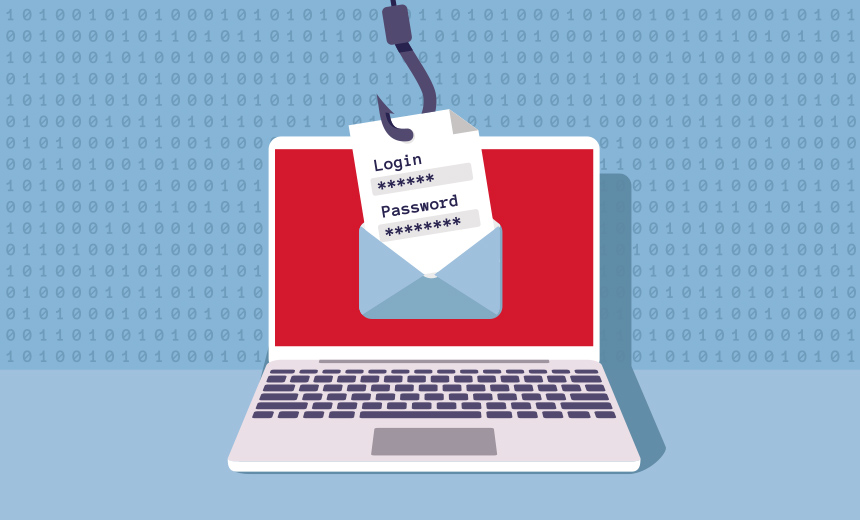
Understanding the threat landscape requires recognizing the most common attack vectors. W-2 phishing scams are among the most prevalent threats, in which fraudsters impersonate C-level executives to trick HR or payroll employees into emailing entire databases of sensitive employee tax information. Once obtained, this data enables criminals to file fraudulent returns, claim refunds, and commit identity theft at scale. The window of vulnerability is narrow but critical—typically from January through April—making proactive preparation and continuous monitoring essential components of any effective defense strategy.
Essential Identity and Access Management Controls for Tax Season
Implementing robust identity and access management (IAM) controls forms the foundation of tax fraud prevention. Multi-factor authentication (MFA) should be mandatory for all systems handling financial data, payroll information, and tax documents. MFA adds a layer of verification that significantly reduces the risk of unauthorized access, even if credentials are compromised through phishing or credential-stuffing attacks. For small businesses, cloud-based IAM solutions offer enterprise-grade protection without requiring extensive infrastructure investments or dedicated security teams.
Role-based access control (RBAC) ensures that employees only access the financial and tax-related information necessary for their specific job functions. This principle of least privilege minimizes the potential damage from both external breaches and insider threats. During tax season, conduct a comprehensive access review to identify and revoke unnecessary permissions, particularly for former employees, contractors, or staff who have changed roles. Implementing just-in-time (JIT) access for sensitive tax operations adds another layer of defense, granting elevated privileges only when needed and automatically revoking them after a specified period.
Password hygiene and credential management remain critical, even though they are fundamental security practices. Require strong, unique passwords for all accounts accessing tax and financial systems, and mandate regular password rotation—particularly before and after tax season. Consider deploying a password manager across your organization to eliminate password reuse and strengthen overall credential security. Additionally, monitor for compromised credentials using threat intelligence services that alert you when employee credentials appear in data breaches or dark web marketplaces, enabling rapid response before they're weaponized against your organization.
Protecting Your Financial Data Through Continuous Monitoring
Continuous monitoring provides the visibility needed to detect and respond to tax-related threats before they lead to successful fraud. Implementing Security Information and Event Management (SIEM) solutions—or engaging managed security services that provide SIEM capabilities—enables real-time correlation of security events across your IT environment. During tax season, configure specific detection rules that alert on suspicious activities such as bulk downloads of W-2 data, unusual access patterns to payroll systems, unauthorized file transfers containing tax information, and login attempts from anomalous geolocations.
File integrity monitoring (FIM) serves as an early warning system for unauthorized modifications to critical tax documents and financial records. By establishing baselines for tax-related files and monitoring for deviations, organizations can quickly identify potential data tampering or exfiltration attempts. Combine FIM with data loss prevention (DLP) technologies that scan outbound communications for sensitive tax information, preventing accidental or malicious transmission of W-2s, 1099s, and other confidential documents via email, cloud storage, or removable media.
Network segmentation isolates financial and tax-related systems from general business networks, reducing the attack surface and containing potential breaches. Implement dedicated network zones for accounting, payroll, and tax preparation systems with strict firewall rules governing inter-zone communication. This architecture ensures that even if threat actors compromise your general business network, they face additional barriers before accessing sensitive tax data. Regular vulnerability assessments and penetration testing—particularly before tax season—identify security gaps in these critical systems, preventing criminals from exploiting them. For resource-constrained organizations, partnering with a virtual CISO (vCISO) provides strategic security leadership and the expertise to architect these protective controls without the cost of hiring a full-time executive.
Employee Training and Phishing Prevention Best Practices
Human factors remain the most exploited vulnerability in tax fraud schemes, making comprehensive security awareness training essential for every organization. Implement targeted training programs that specifically address tax season threats, with particular emphasis on W-2 phishing scams and executive impersonation attacks. Training should be delivered before tax season begins and reinforced throughout the high-risk period with simulated phishing exercises that test employee vigilance and provide immediate feedback. Research consistently demonstrates that organizations conducting regular phishing simulations experience significantly fewer successful social engineering attacks.
Establish and communicate clear verification protocols for any request involving sensitive tax or financial information. Implement a mandatory callback procedure where employees must verbally confirm requests for W-2 data, tax documents, or wire transfers using independently verified contact information—never phone numbers or email addresses provided in the suspicious message itself. This simple protocol neutralizes the most common W-2 phishing attacks, which rely on employees' trust in email communications appearing to come from executives. Create easy-to-reference decision trees or flowcharts that guide employees through the proper verification steps, reducing ambiguity in high-pressure situations.
Foster a security-conscious culture where employees feel empowered to question suspicious requests without fear of repercussion. Many successful tax fraud schemes exploit organizational hierarchies and employees' reluctance to challenge apparent executive directives. Publicly recognize employees who report potential phishing attempts to reinforce vigilant behavior. Provide clear, accessible reporting channels—such as a dedicated security email address or hotline—that enable rapid escalation of suspicious activities to IT and security teams. When leadership regularly communicates the importance of these protocols and shares relevant threat intelligence, security stays top of mind across the organization, turning your workforce from a vulnerability into a defensive asset.
Building a Resilient Incident Response Plan for Tax Fraud Events
Despite robust preventive controls, small businesses must prepare for the possibility of a successful tax fraud incident. A comprehensive incident response plan specific to tax-related cybercrime ensures rapid, coordinated action that minimizes damage and accelerates recovery. Your plan should clearly define roles and responsibilities, establish communication protocols, document technical response procedures, and identify external resources, including legal counsel, forensic specialists, and law enforcement contacts. Designate a response team comprising representatives from IT, finance, HR, legal, and executive leadership to ensure cross-functional coordination during crises.
The incident response plan should address the unique characteristics of tax fraud events, including immediate notification requirements for affected employees and regulatory bodies. Document specific procedures for compromised W-2 data, including employee notification templates, credit monitoring arrangements, and IRS reporting requirements. Establish relationships with the IRS Identity Protection Specialized Unit and local FBI field offices before incidents occur to streamline communication channels when time is critical. Include procedures for preserving forensic evidence while maintaining business continuity, balancing investigation needs with operational requirements during tax season, when downtime creates a significant business impact.
Regular testing through tabletop exercises validates your incident response plan and identifies gaps before real incidents occur. Conduct scenario-based exercises that simulate W-2 phishing attacks, fraudulent tax return filings, and payroll system compromises, walking your response team through detection, containment, eradication, and recovery procedures. These exercises build muscle memory, clarify decision-making authorities, and reveal process deficiencies in a controlled environment. Document lessons learned and update your plan accordingly, treating incident response as a living program that evolves with your organization and the threat landscape. If your organization doesn't have internal security expertise, engaging business continuity and incident response services provides access to experienced practitioners who can guide your response and offer strategic leadership in high-stress situations. Investing in resilience today transforms potential catastrophic events into manageable incidents with defined recovery paths.
.jpeg) Michael Markulec
Michael Markulec
.jpeg?width=30&name=0%20(7).jpeg) Michael Markulec : Apr 1, 2025, 9:59:34 AM
Michael Markulec : Apr 1, 2025, 9:59:34 AM

.png)