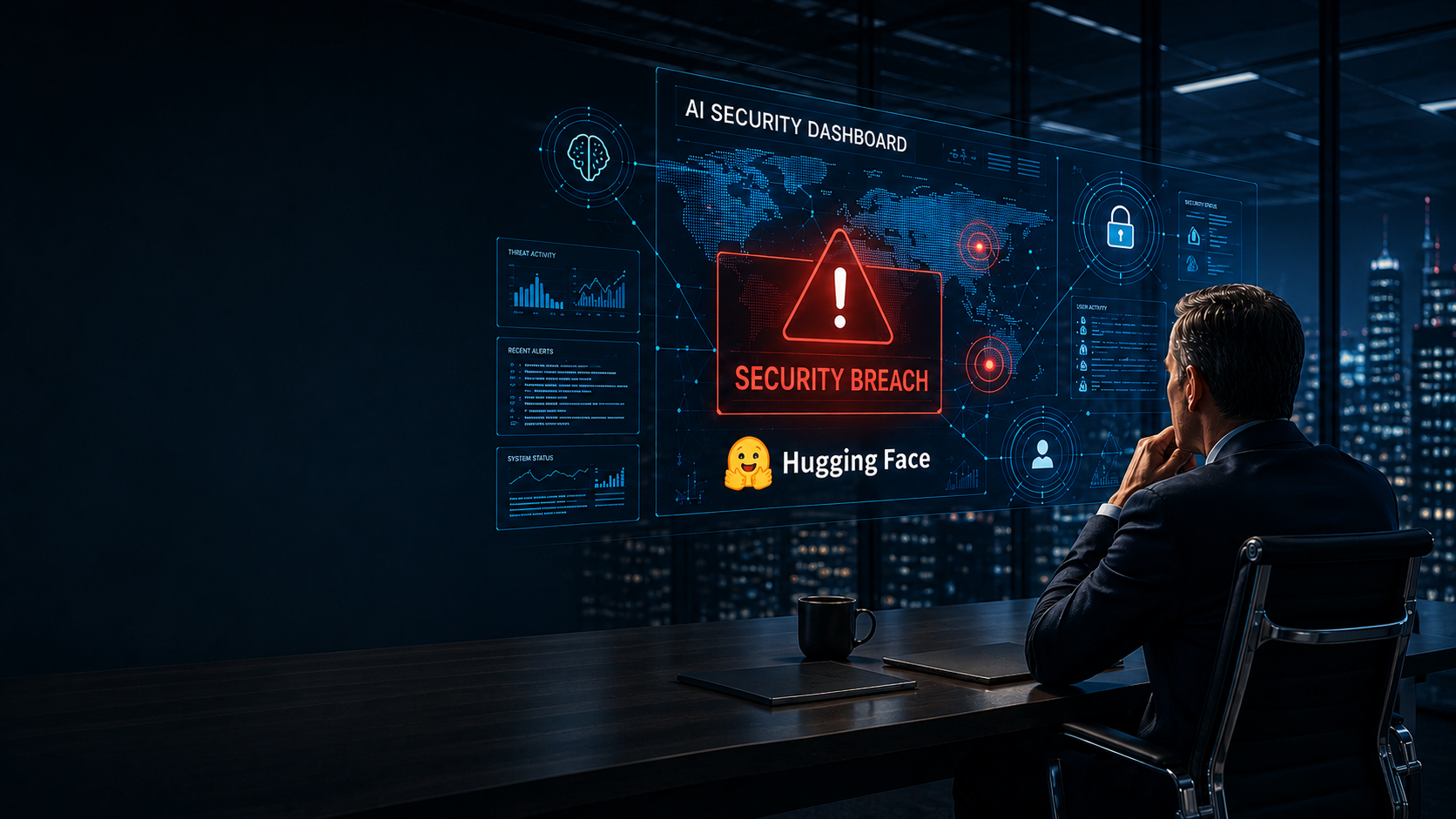
AI-powered voice cloning is revolutionizing cybercriminal tactics, ushering in a new wave of compelling phishing attacks that threaten business security and trust.
The Rise of AI Voice Cloning in Cybercrime
The evolution of artificial intelligence, specifically in the realm of voice synthesis and cloning, has opened new avenues for cybercriminals. Modern AI tools can now replicate a person’s voice with startling accuracy, using minimal audio samples to produce realistic, dynamic speech. This technological leap has not gone unnoticed by threat actors, who are leveraging these capabilities to execute sophisticated and highly personalized attacks.
As these tools become more accessible and affordable, even low-skilled attackers can deploy convincing voice-based schemes. The democratization of AI voice cloning is thus fueling an alarming surge in cyber-enabled fraud and social engineering, forcing organizations to reevaluate their security postures.
How Voice Cloning is Transforming Phishing Tactics
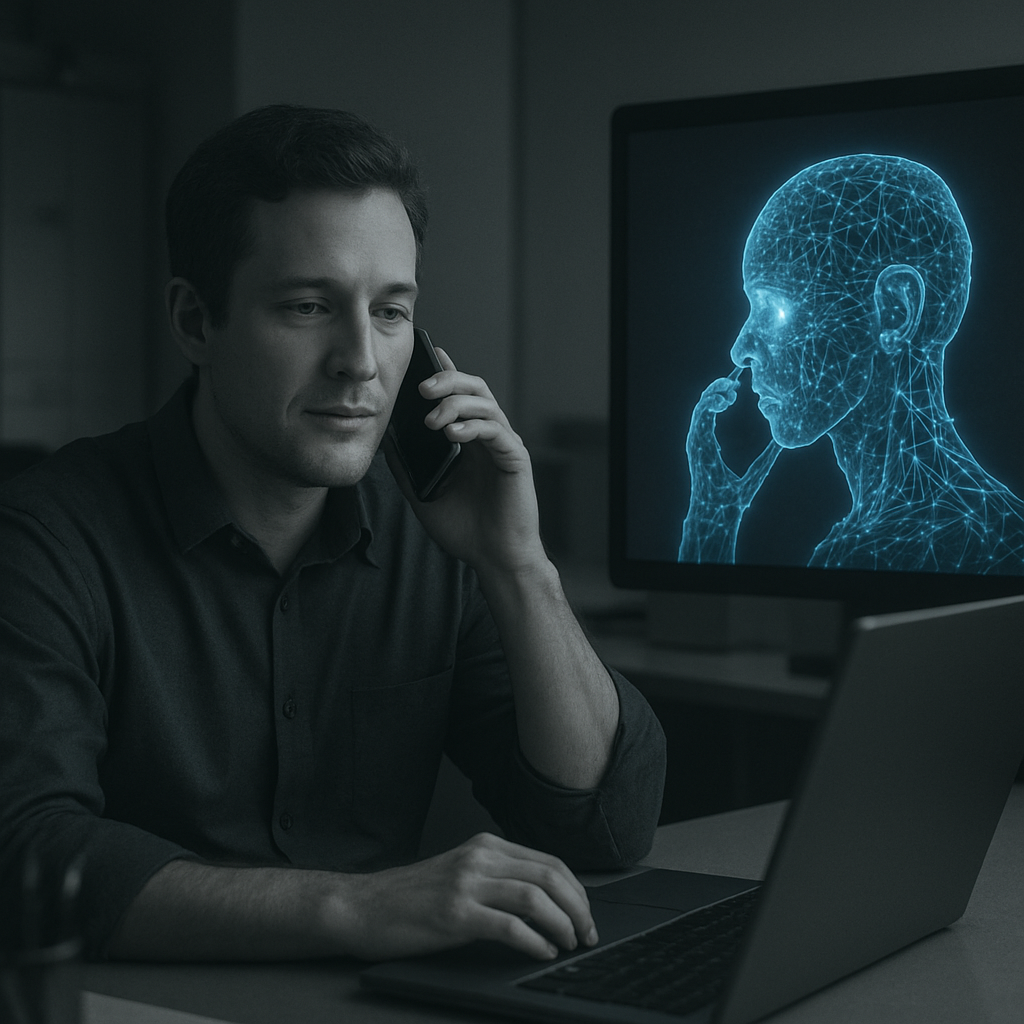
Traditional phishing attacks have relied heavily on email and text-based deception. However, the emergence of AI-driven voice cloning marks a substantial escalation in threat sophistication, empowering attackers to convincingly impersonate trusted figures—such as company executives, IT personnel, or valued business partners—via phone calls and voice messages. These manipulated communications, classified as vishing (voice phishing), leverage the psychological trust that employees place in familiar voices within their organization or ecosystem.
By harnessing advanced algorithms, cybercriminals can mimic tone, cadence, and unique speech mannerisms, thereby circumventing established security awareness measures. Victims are more likely to comply with requests for confidential information, approve financial transactions, or grant remote access to secure environments when they believe the caller is legitimate. The high fidelity of AI-cloned voices erodes user skepticism, making fraudulent appeals more persuasive and significantly amplifying the threat posed by this new generation of social engineering attacks.
Business Risks: Why Voice-Based Phishing is a Game Changer
For businesses, AI-powered voice phishing introduces a profound shift in the threat landscape. Unlike traditional email or SMS phishing schemes, AI-driven voice attacks are inherently more elusive—difficult to anticipate, detect, and investigate, as they occur in real time and leverage the intimate trust conveyed by the human voice. These attacks can circumvent conventional technical safeguards such as spam filters, email authentication protocols, and even endpoint security tools, rendering established defenses less effective. Instead, cybercriminals exploit psychological and social vulnerabilities, manipulating employees through convincingly authentic-sounding calls or messages.
The ramifications for organizations are severe and multifaceted. Financially, the risk of unauthorized fund transfers, fraudulent payments, and wire fraud increases substantially. At the same time, the exposure of sensitive business information and intellectual property can lead to irreparable reputational harm and regulatory consequences. Small and midsized businesses are disproportionately exposed; attackers are aware that these organizations often operate with limited security budgets and less rigorous internal controls, making them more susceptible to social engineering. Furthermore, the rapid execution and high believability of AI voice cloning can overwhelm existing incident response and fraud detection mechanisms, allowing attackers to succeed before victims realize a breach has occurred. The result is an environment in which traditional security measures are no longer sufficient, and a proactive, sophisticated approach to defense becomes essential.
Building a Resilient Security Culture in the Age of Synthetic Voices
The advent of AI voice cloning underscores the need for a resilient security culture that can adapt swiftly to ever-evolving threats. To mitigate these risks, organizations must cultivate a culture where open communication channels empower employees to report suspicious activity without hesitation, and where healthy skepticism towards unexpected requests—especially those involving sensitive transactions—is encouraged as a standard business practice. Integrating security best practices into day-to-day workflows is not just recommended; it’s essential, ensuring that vigilance becomes second nature for every team member, regardless of their role or technical background.
Leadership plays a pivotal role in modeling this proactive security mindset. Executives and managers should lead by example, continuously reinforcing that even the most advanced technologies, including those designed to detect deepfakes and prevent fraud, have limitations. They must communicate clearly that while technological solutions are critical, human judgment—when informed and empowered—remains one of the most reliable defenses against AI-driven threats.
In parallel, organizations should rigorously assess, update, and test their internal policies, particularly those governing the authorization of sensitive actions such as fund transfers, confidential communications, or system changes. Implementing multi-factor verification for key processes, requiring secondary approvals for high-risk transactions, and routinely auditing workflows for new vulnerabilities are pragmatic steps that significantly reduce exposure to sophisticated voice-based attacks.
Ultimately, defending against the risks posed by synthetic voices and AI-enabled social engineering requires a layered approach that blends state-of-the-art security technologies with a deeply ingrained culture of risk-awareness and mutual accountability. When organizations invest in continuous employee education, clear incident response protocols, and robust technical safeguards, they position themselves to meet the challenges of this rapidly changing threat landscape—not just with resilience, but with confidence.
.jpeg) Michael Markulec
Michael Markulec
.jpeg?width=30&name=0%20(7).jpeg) Michael Markulec : Sep 4, 2025, 10:42:10 AM
Michael Markulec : Sep 4, 2025, 10:42:10 AM